The Envoys (Season 2), 2024

TV Series
Thriller | Mystery | Horror
Argentina, USA

Shot on Alexa 35 with ARRI Signature Zooms

Directors: Juan José Campanella, Camilo Antolini, Inma Torrente, Martino Zaidelis 

Production Companies:

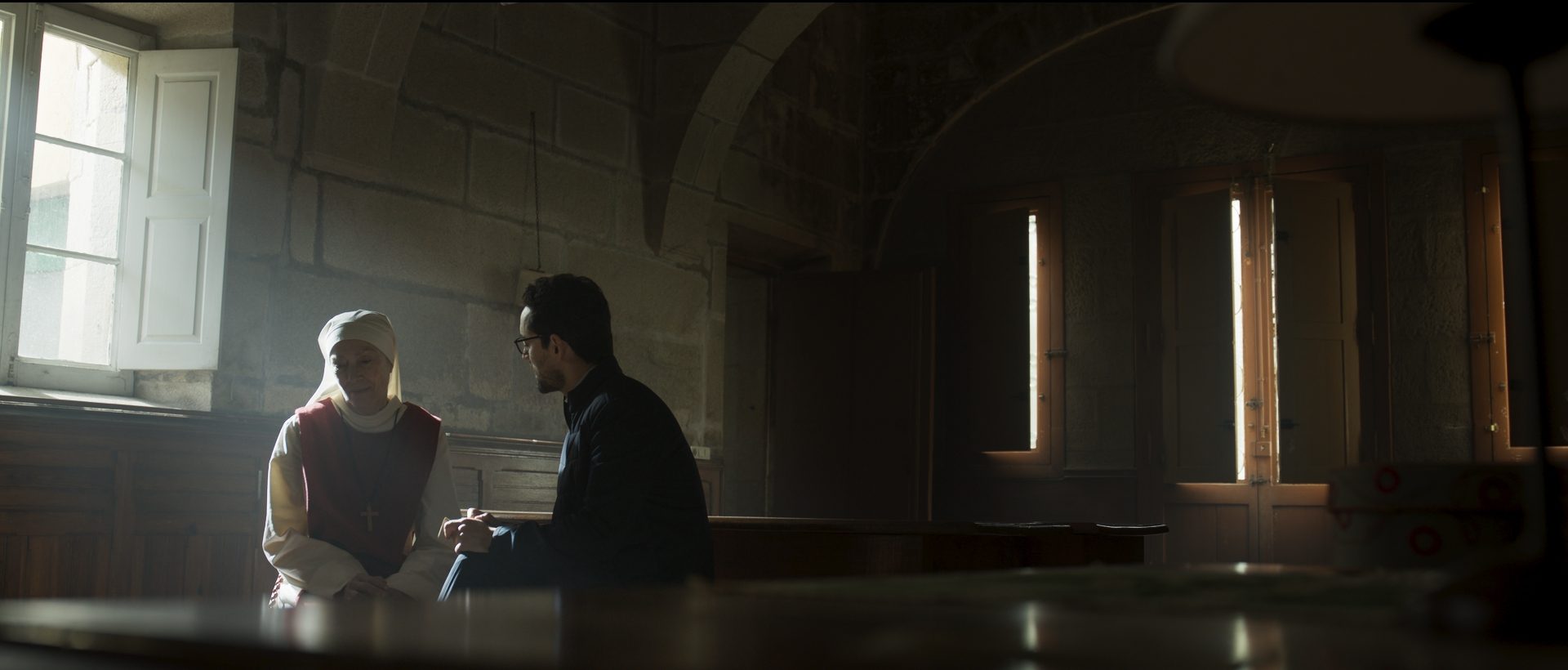
It’s common that when you work with highly experienced directors—and when the atmosphere of the project lends itself to it—references are drawn from the older sister of photography: painting. In our first aesthetic approach to this new season of The Envoys, Juan José Campanella, with his vast cultural and artistic background, proposed Francisco de Goya as an essential visual reference. Goya’s Romantic style was not an easy source of inspiration, but it was perfect. These were paintings from which to absorb all the elements that meticulously aligned with the tone we were seeking for our story.
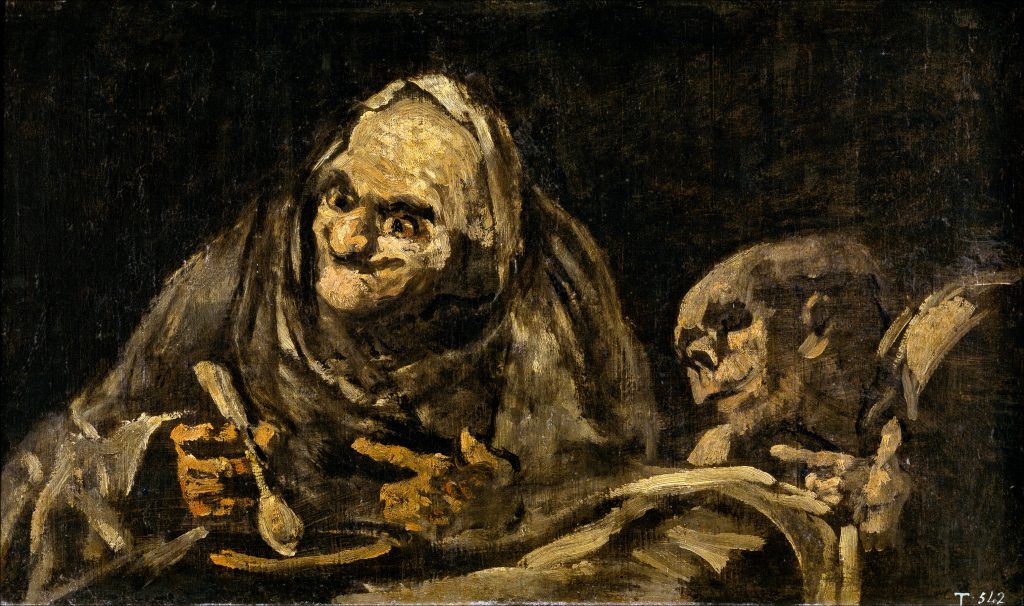
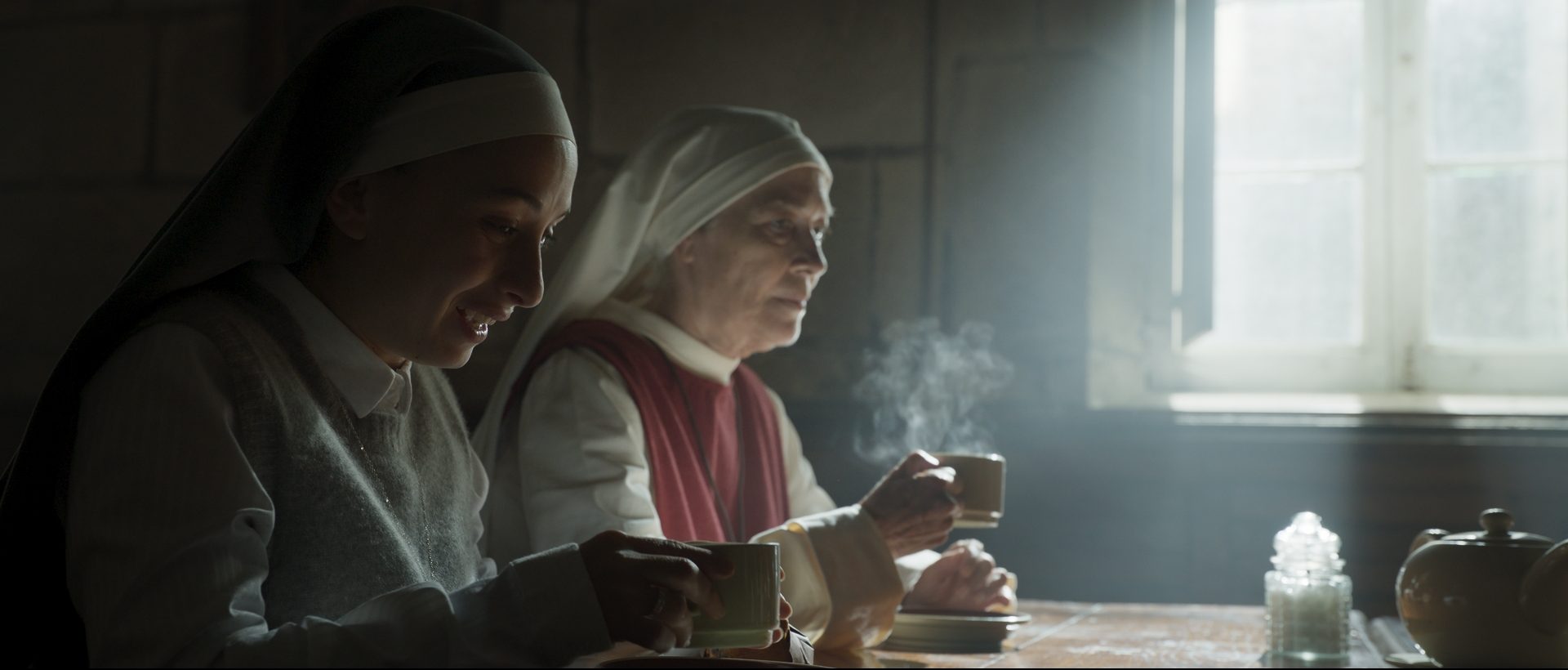
“Viejos comiendo sopa”, from Francisco de Goya.

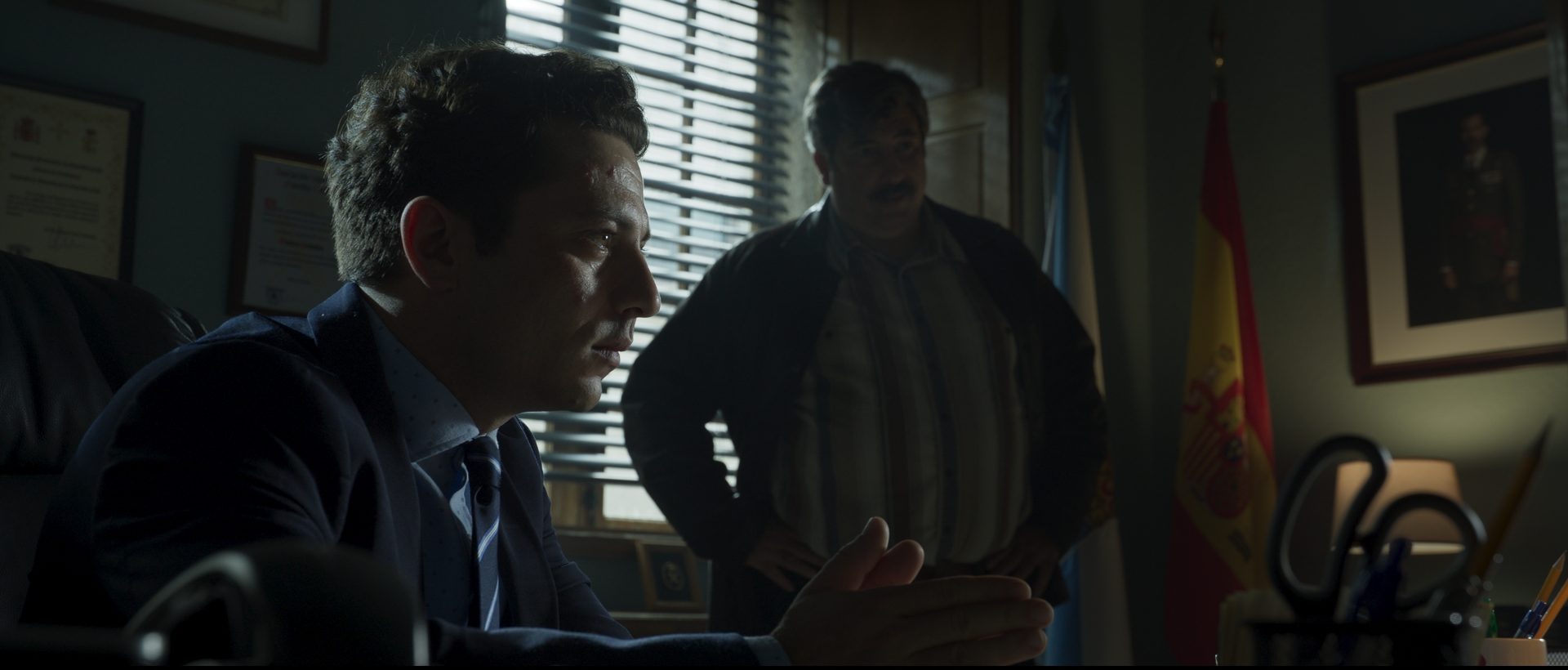
Goya is a painter who captures reality with a latent sense of naturalism, without adding an idealized or overly aesthetic vision that might soften or distort it. And in many cases, such as in his Black Paintings series, he takes this to an exceptional extreme. It was precisely this Black Paintings period that inspired the darker, more dramatic atmospheres, adopting that style in the moments of greatest suspense and mystery throughout the season.
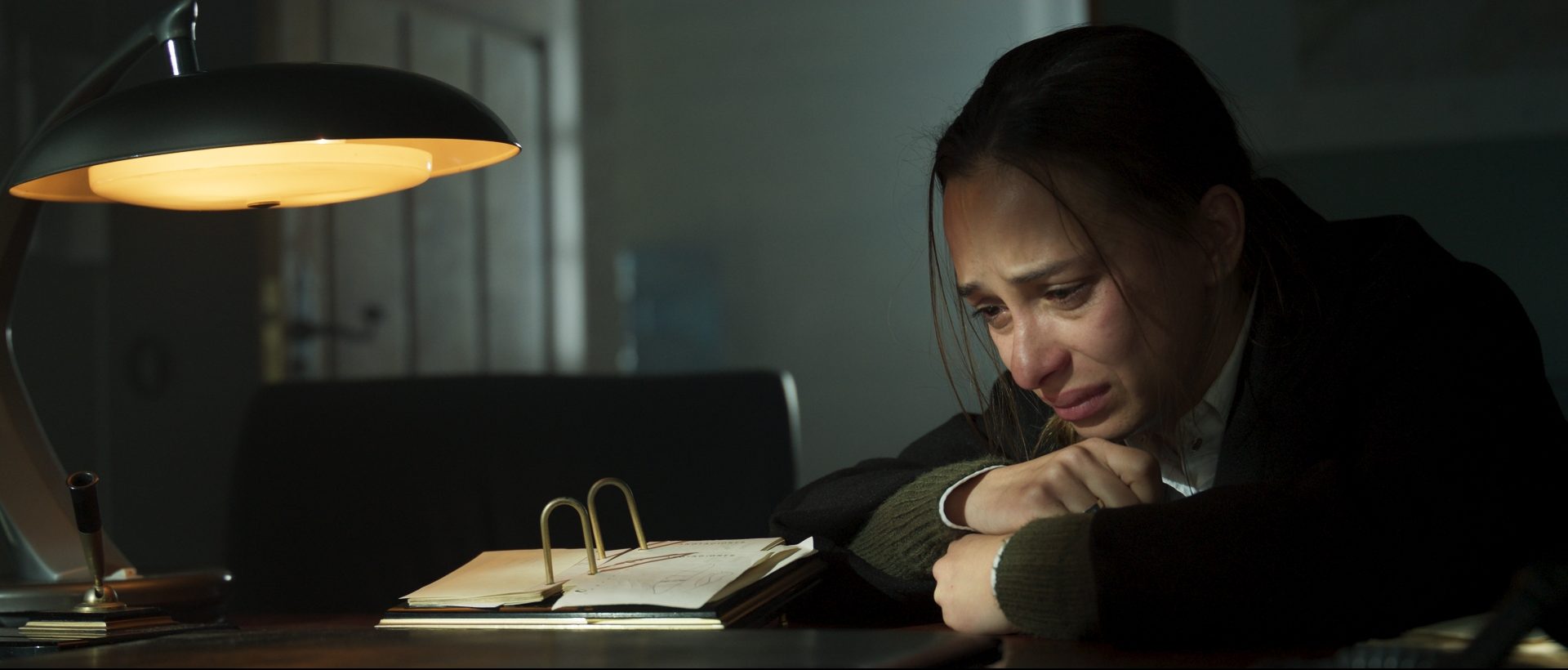
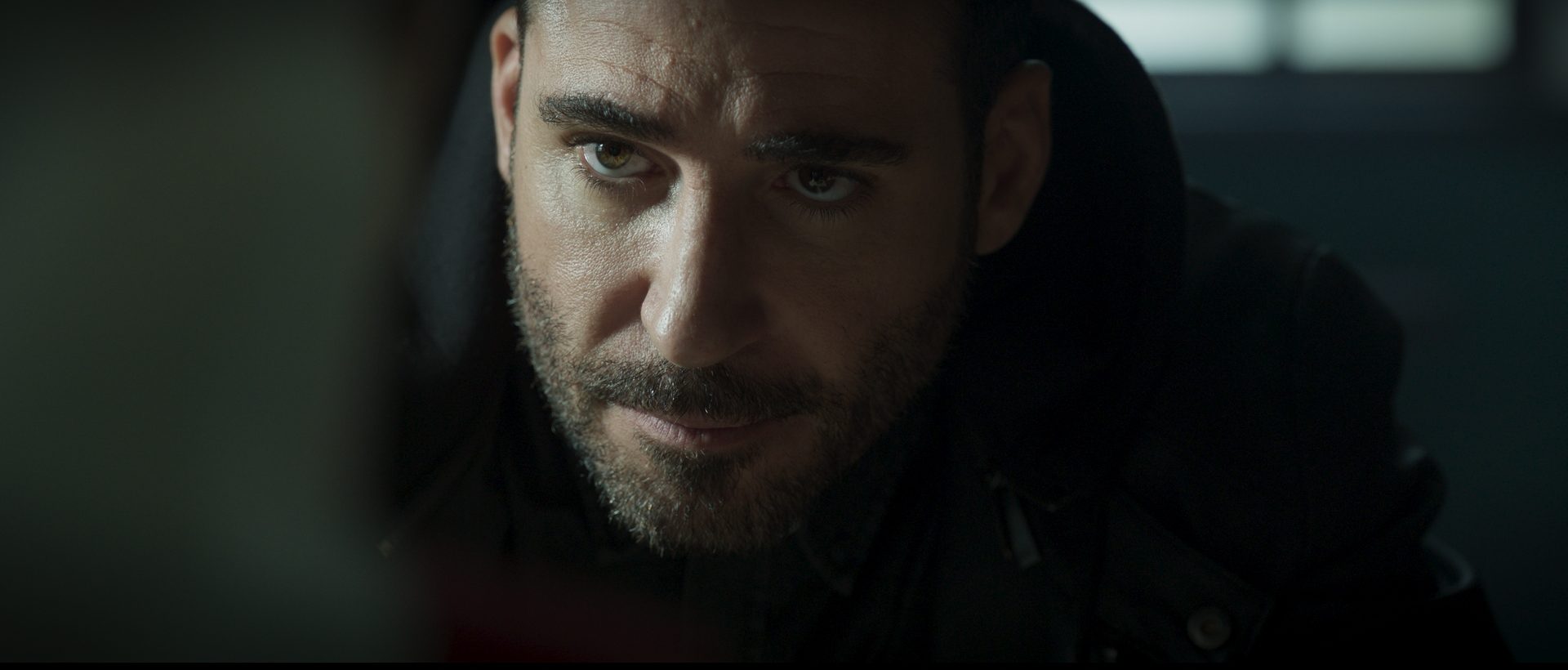
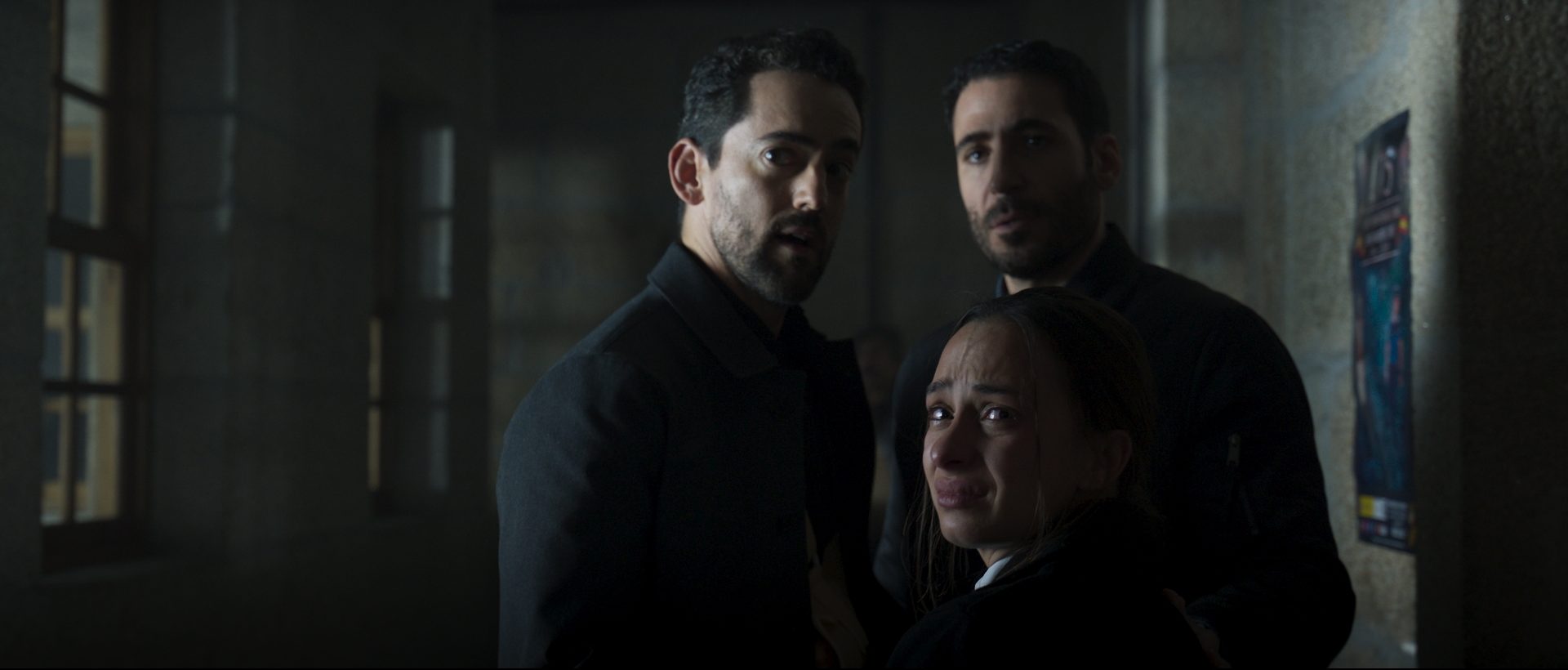
In these works, Goya pushed further than ever in his revolutionary and innovative conception of pictorial art, fueled by the deeply unsettling moments he managed to portray: distorted faces, terrified expressions, twisted gestures, and highly expressive attitudes. All of it shaped through nearly monochromatic palettes, with strong contrasts of light between characters and backgrounds—often purely black.

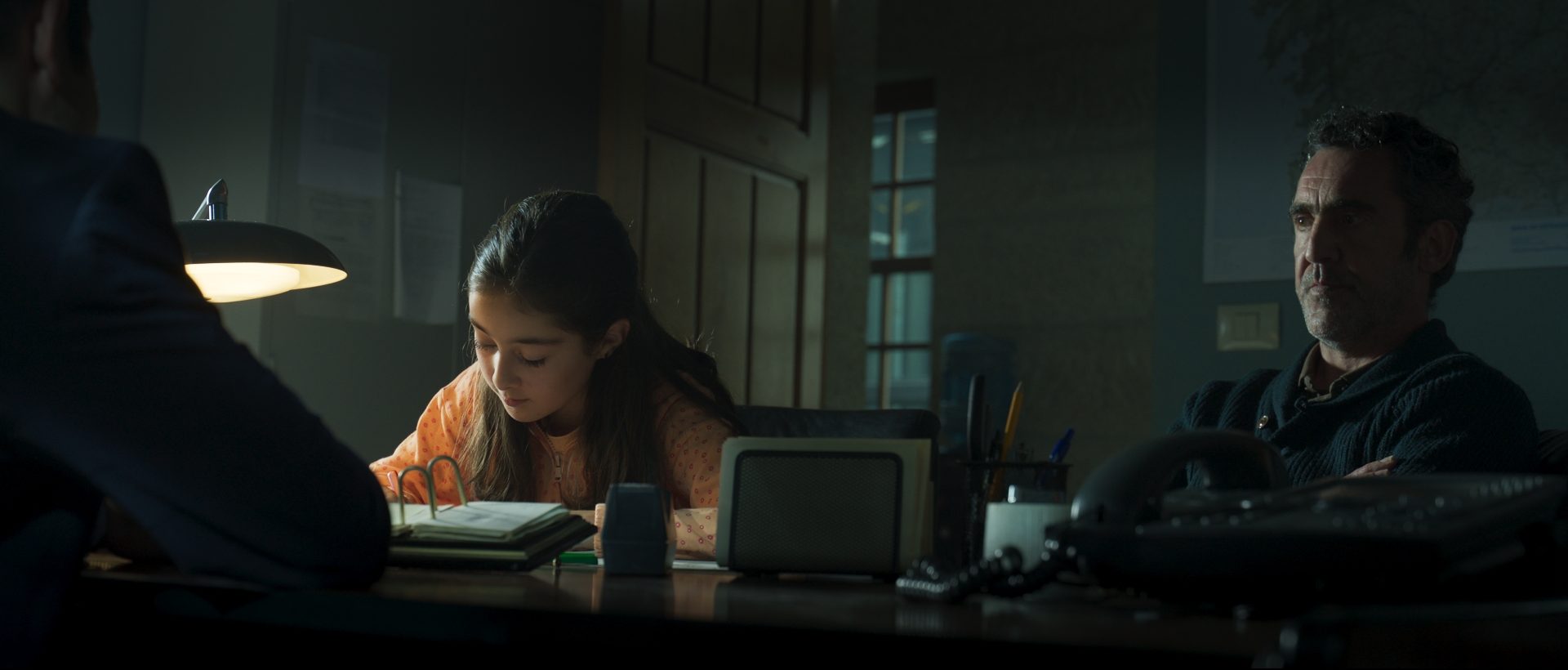
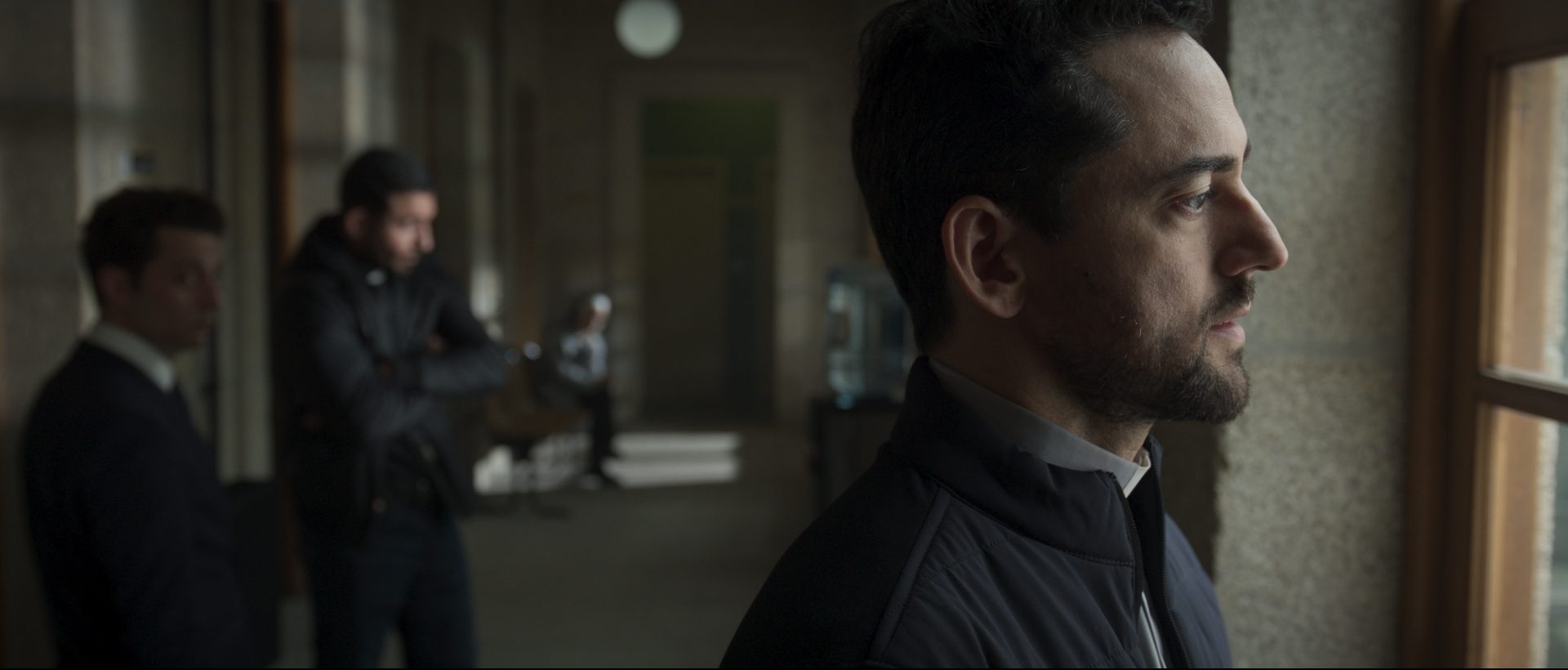
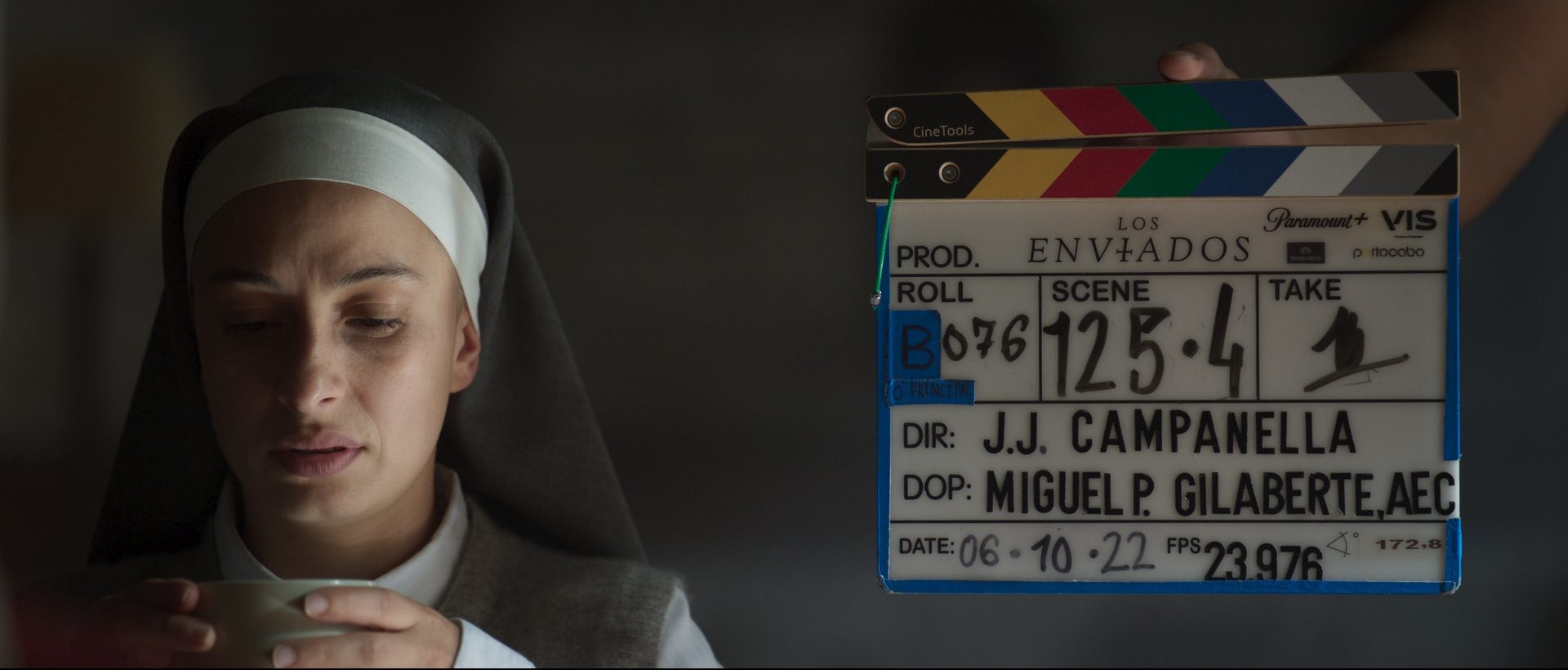
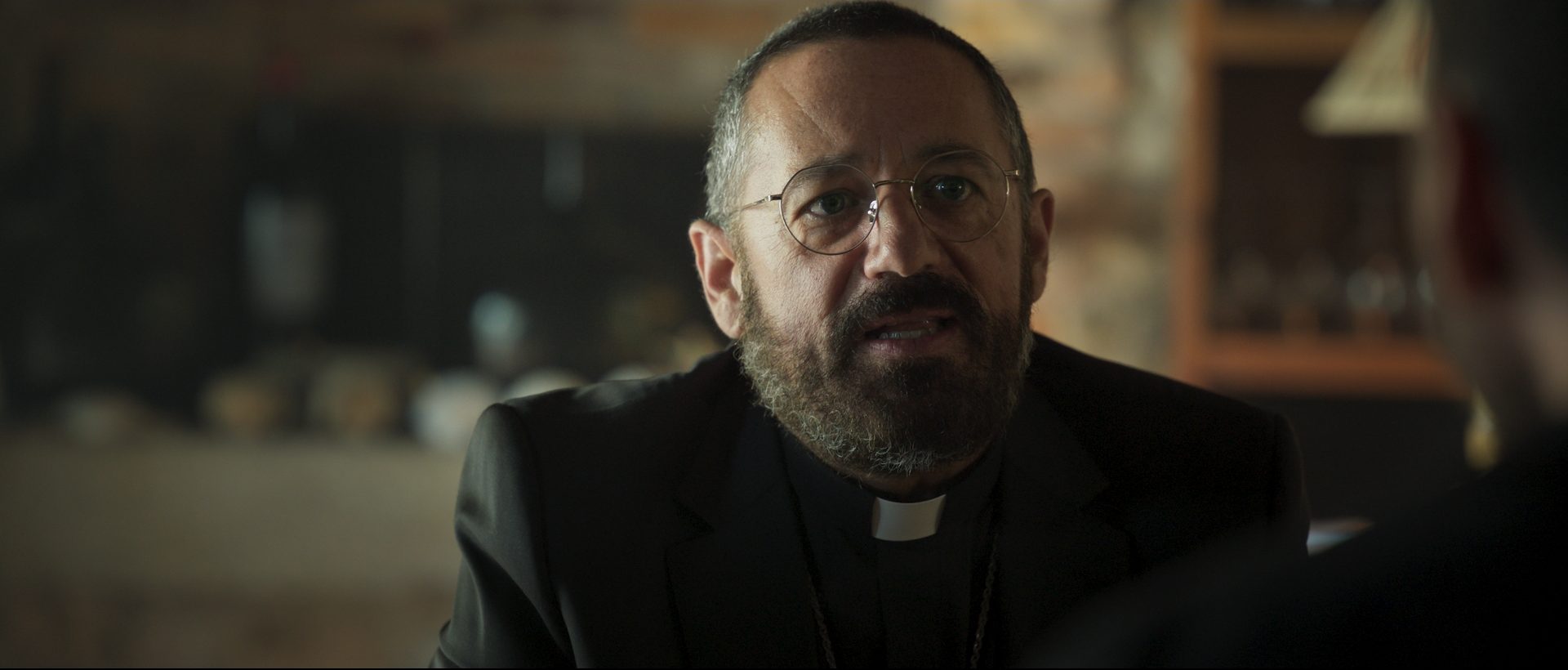
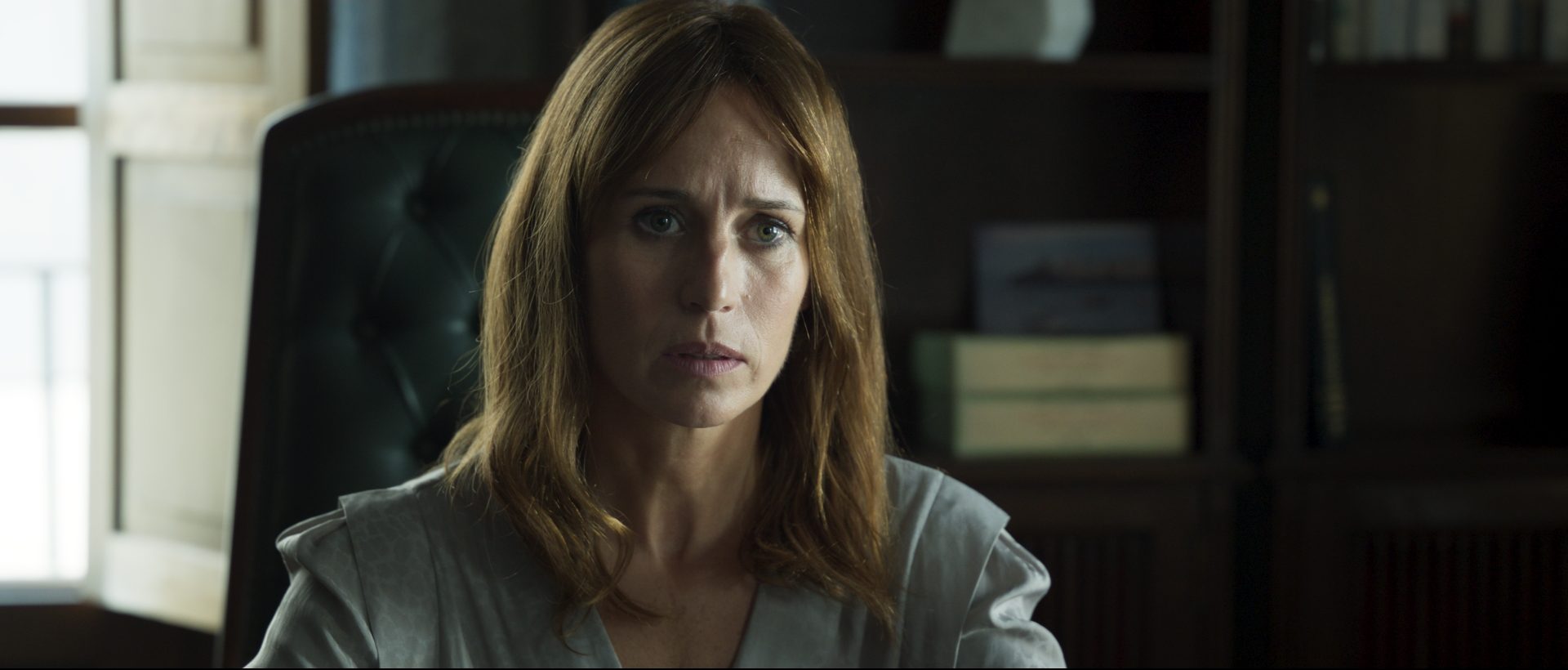
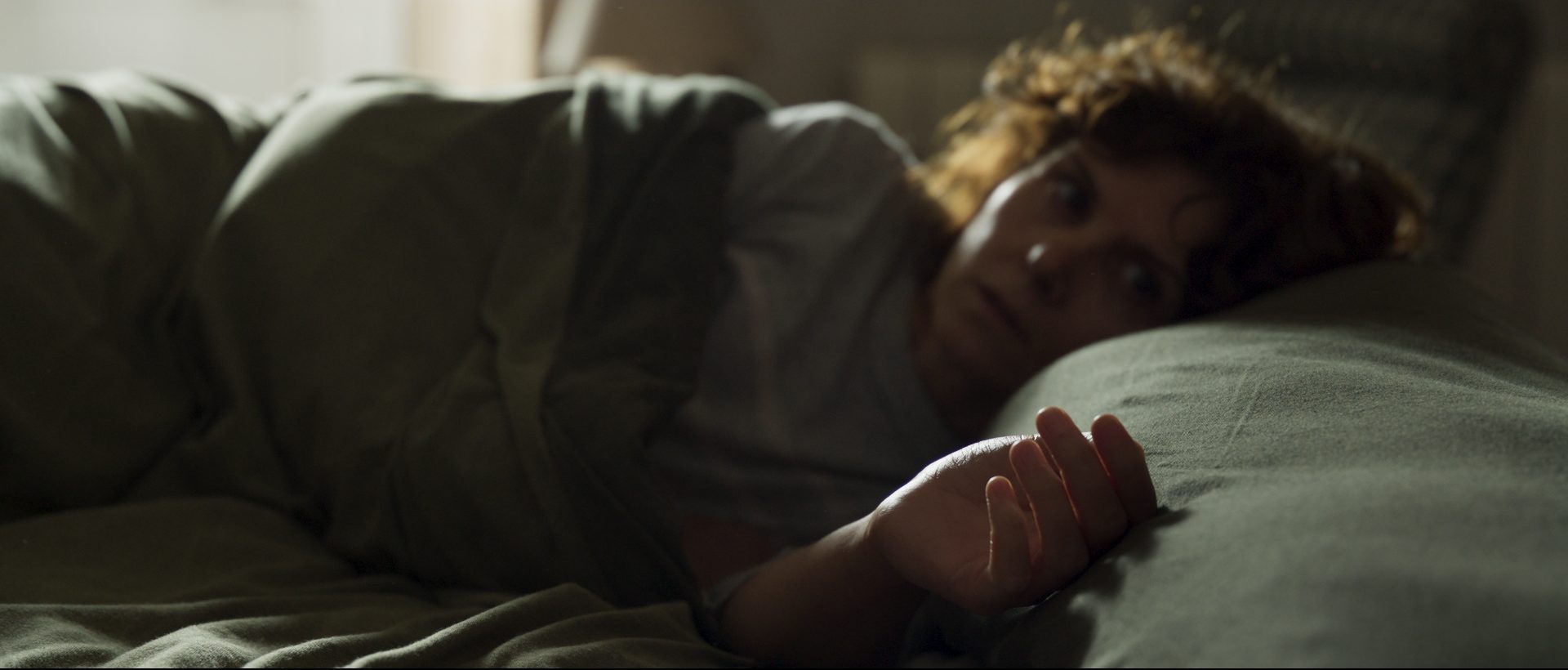
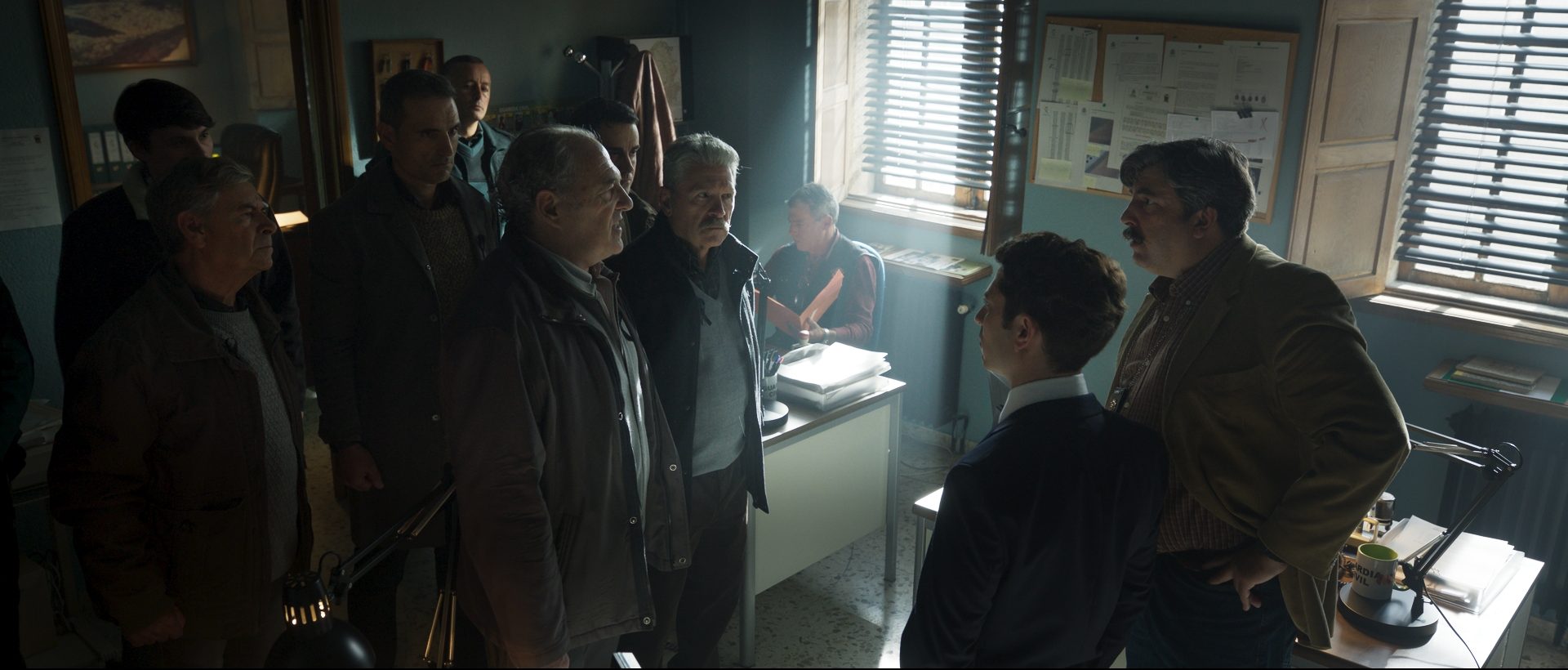
In our fiction, the environments in which the action unfolds needed to feel oppressive, to generate anguish in our heroes and, in turn, transmit those sensations to the viewer. Drawing on Goya’s paintings, I worked with diffused backgrounds and light concentrated on the characters. I handled the environment surrounding the protagonists in a low-key style, creating a more shadowy atmosphere than the main light. In many cases, this meant relinquishing detail in order to focus attention on the characters and the action.

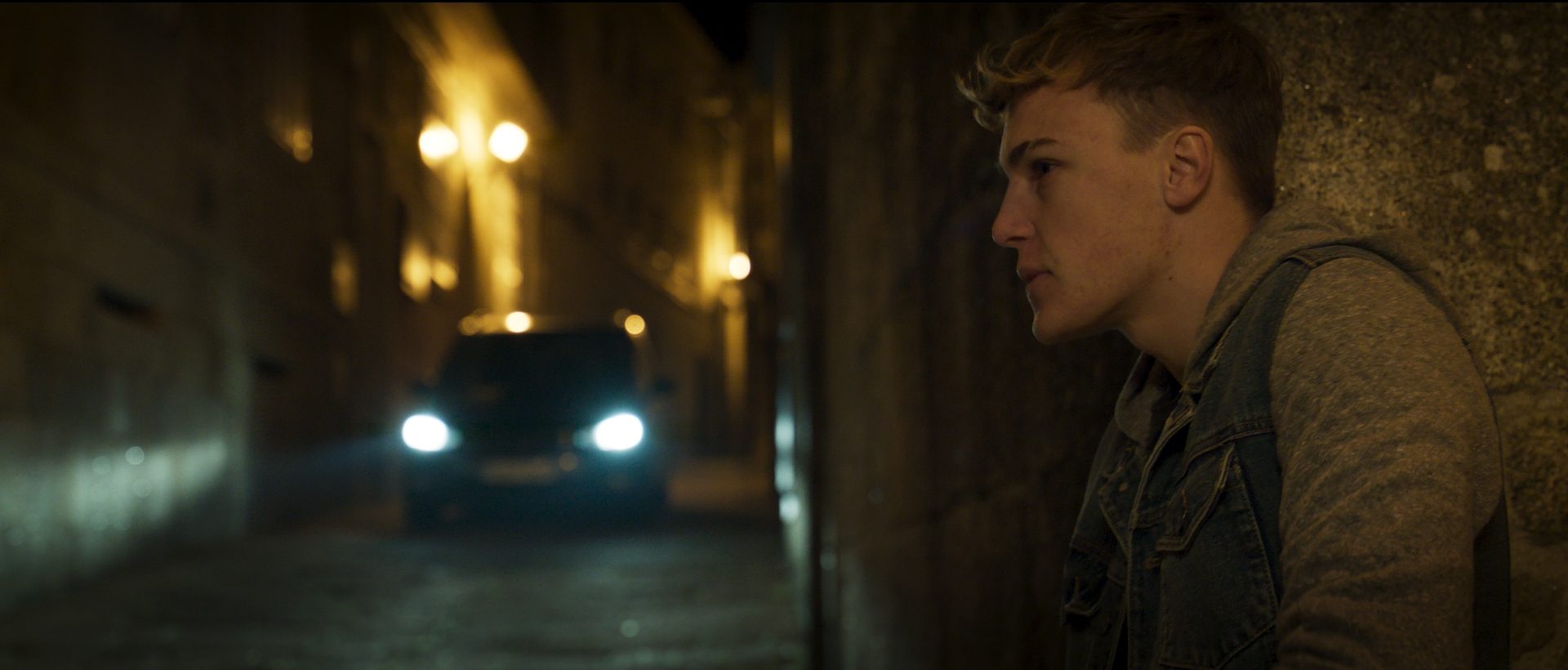
Moreover, many of the scenes in the Black Paintings are nocturnal, something that fit perfectly with our plot: dark backgrounds that help evoke a sense of anguish, enigma, and mystery, creating unreal spaces. With our protagonists trapped in Porto Da Lúa, every corner had to convey that feeling of agony.

On a compositional level, Goya’s Black Paintings were also highly innovative for their time. Figures appear off-center, with an imbalance in the framing that also inspired us, making the most of the 2.35:1 widescreen format we used this season. In some cases, the shots even feature slight tilts (Dutch angles), adding further emotional instability and tension.

A wonderful challenge through which to learn from—and internalize the work of—one of the greatest masters of painting, alongside one of the greatest masters of world cinema. What more could one ask for?