Ways to live forever, 2010
Feature film
Drama
UK / Spain
Shot on 35mm Panavision Platinum camera, Panavision Primo lenses and Kodak Vision 3 film stock.
Director: Gustavo Ron
Production: El Capitan Pictures
Some projects arrive at exactly the right moment. Ways to Live Forever was my first feature film, and it came through Gustavo Ron, a director who knows exactly how to get everyone working in the same direction. That coherence shows in the film: the performances, the production design, the costumes, the music, the cinematography… Everything breathes together.
The challenge was complex from the start. To tell an apparently sad story — a boy with leukemia who wants to know everything about his own death — without underlining the drama with light, since the tone of the film is one of resilience, emotion and hope.
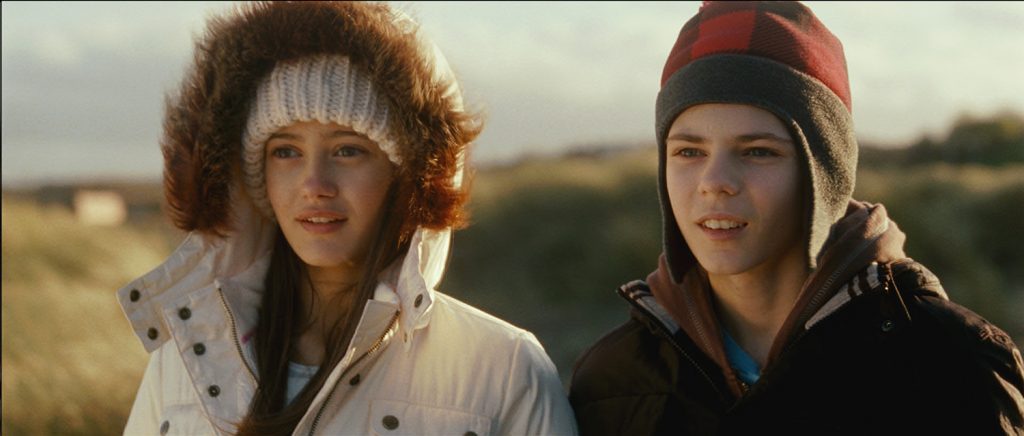
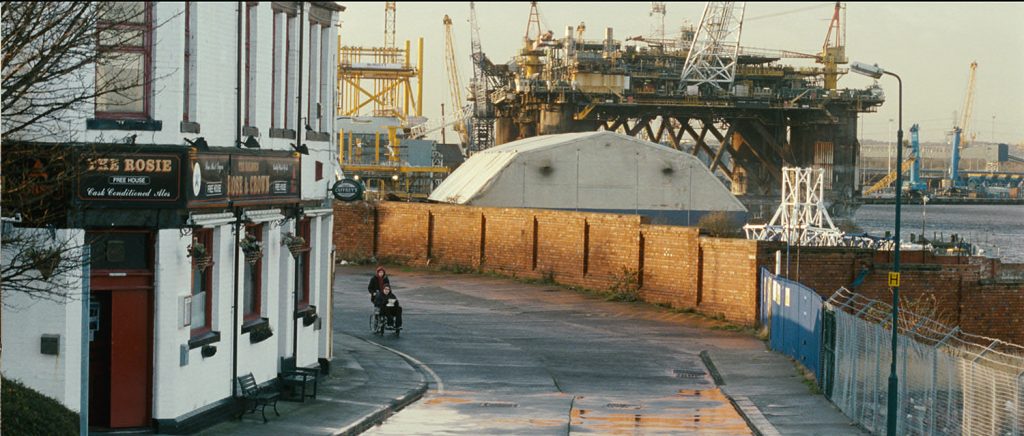
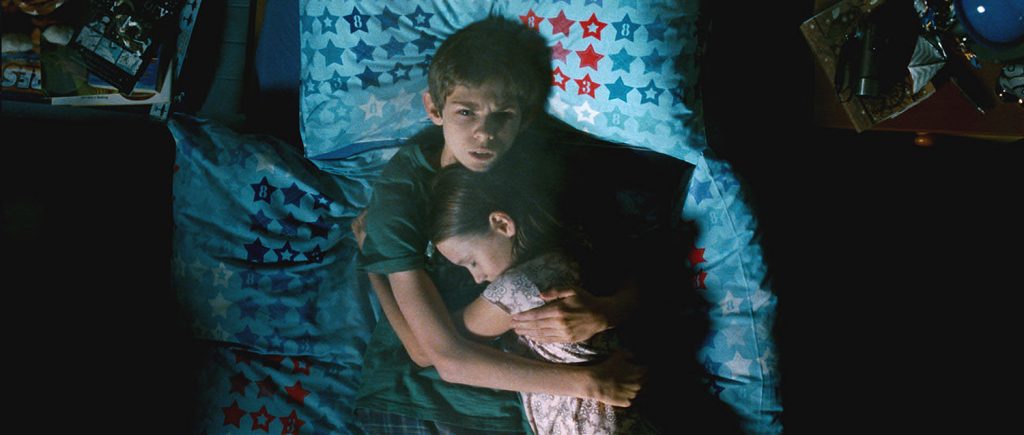
That’s precisely why we decided not to emphasize a dramatic atmosphere visually. The reference was classic British cinema and American independent film: a bright atmosphere but with chiaroscuro, personality without baroque excess. Natural light, a sense of Englishness. And Newcastle in winter, with barely five and a half hours of daylight.
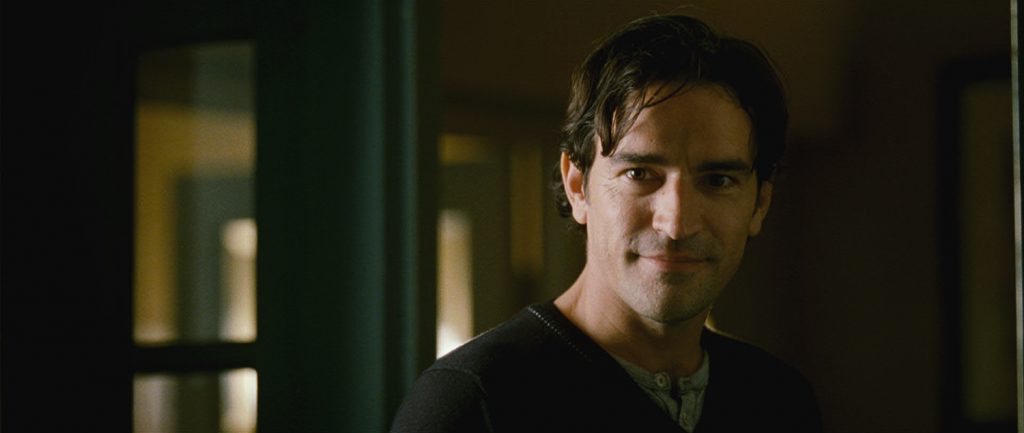
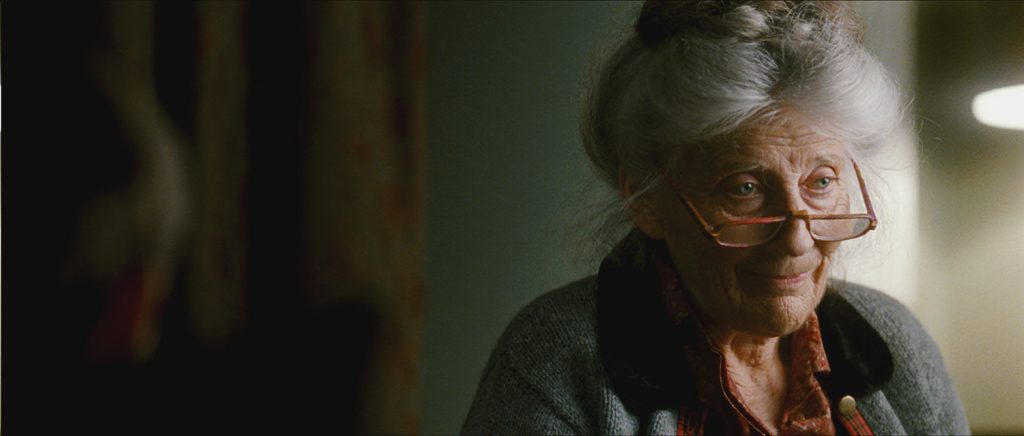
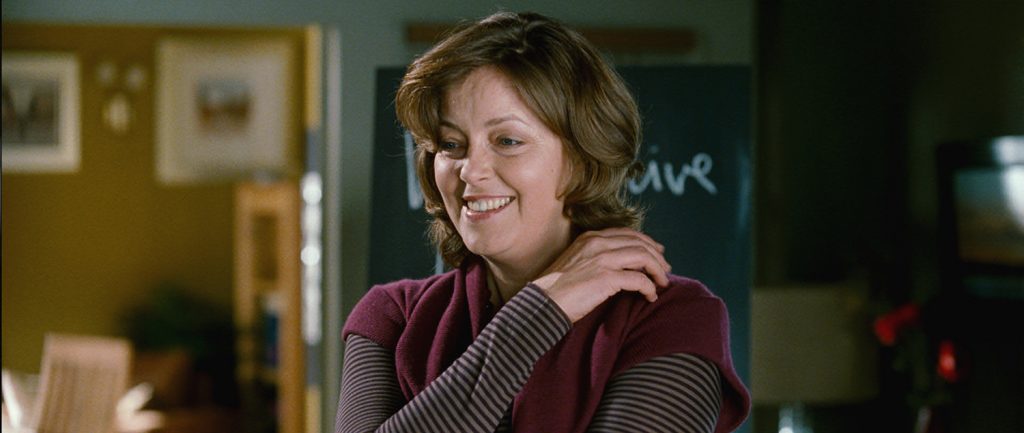
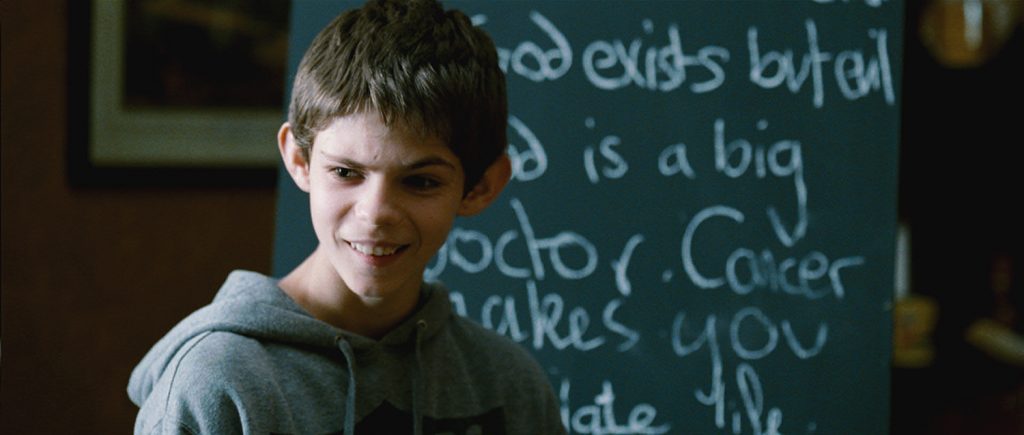
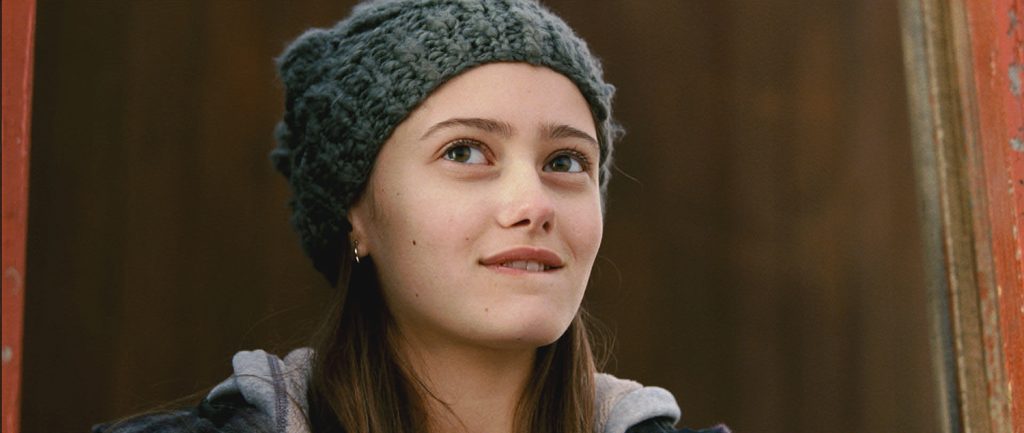
The beauty of that Nordic light is that it’s magical all day long. So diffused, so soft, that it would have been a crime to place an artificial source on top of it. On exteriors I used almost nothing: bounce boards, the occasional reflector, and letting the environment do its work. For interiors, I decided everything would be tungsten. I love classic cinema shot that way, and this film, despite its difficult subject, has a gentleness that called for that warmth. I always looked for lateral light: the kind that lets you see one side of the face more than the other, but with detail in both eyes.
Shooting on 35mm was a decision that changed everything. The camera was a Panavision Platinum with Primo spherical lenses, and the combination of both with Kodak Vision3 negative film stock gave the image a texture, a depth and a latitude that no other format could have offered us. I fell in love with the quality of tungsten on that stock: warm, rich, with clean blacks. And the latitude of the emulsion was extraordinary. There were moments where I could afford five or six stops of difference within the same frame without losing detail, something the digital cameras of the time simply could not offer.
It’s a film I’m very proud of, not only for what we achieved technically, but for what it made us feel while we were shooting it.
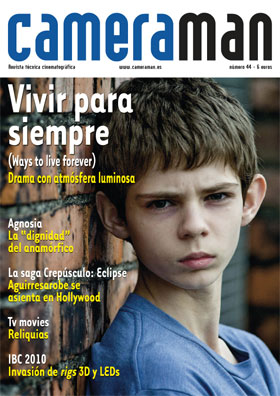 You can read a PDF here with the interview in Cameraman Magazine in which the cinematography of Ways to Live Forever is analysed in depth.